



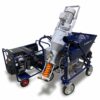
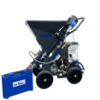


What is a Screed Machine?
A screed machine is a unit designed to mix, pump and lay floor screed quickly and consistently, taking the hard work out of manual levelling. Instead of shovelling, mixing and spreading by hand, a screed machine keeps material flowing smoothly, ensuring a level, professional finish every time.
They’re typically used on domestic floors, commercial projects and large-scale construction sites, for applications such as underfloor heating installations, industrial floors or fast-track renovations. Any job that demands speed, accuracy and uniform coverage will benefit from a screed machine.
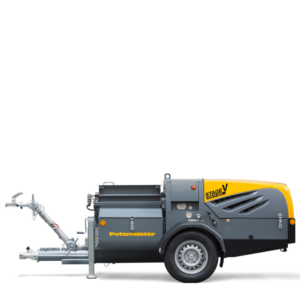
At P1 Plastering Superstore, we stock a carefully selected range of rendering and plastering machines, including Putzmeister screed machines and M-TEC screed machines, as well as floor screed, screed tools and a range of electric floor screed pumps – basically anything you need to get the job done! If you need advice before you make your investment, or guidance for your current machine, please don’t hesitate to get in touch with our machine experts.
What’s the Benefit of Investing in a Screed Machine?
A screed machine is a productivity multiplier for any plastering or flooring contractor. Investing in the right machine delivers benefits that go far beyond speed:
- Consistent Coverage
Eliminates uneven screed thickness and air pockets, giving a smooth, level floor first time, every time.
- Faster Project Completion
With an automated screed mixer and pump, large areas are covered in a fraction of the time it would take manually.
- Reduced Physical Strain
Less shovelling, mixing, and spreading means your team stays fresher, reducing fatigue and risk of injury.
- Versatility Across Materials
Capable of handling a range of screeds, from traditional sand & cement to fibre-reinforced or fast-drying mixes.
- Accurate Output Control
Adjustable flow rates and precise pump controls allow you to match material output to floor size and site conditions.
- Lower Waste, Higher Efficiency
Controlled pumping and even distribution mean minimal overspill, less waste and more predictable material usage.
- Professional Finish Every Time
Consistent material flow and smooth placement mean less rework, fewer screed trowel marks and a polished result ready for flooring or finishes.
What Screed Machine is Best for Domestic vs Commercial Floors?
Choosing the right screed machine for a domestic or commercial job will depend on the scale and material type. Domestic jobs and commercial floors aren’t the same challenge, so the tool you choose should match the task.
Key considerations:
In summary, here’s what to consider when choosing liquid screed machines for domestic or commercial projects:
- Electric vs Diesel – Electric screed machines are quieter and ideal for indoor/domestic environments, while diesel units bring power and mobility to bigger jobs with less reliance on site power. Electric machines can handle just bagged self-levelling screeds and not flow screeds, whereas specific diesel machines can handle the flow screeds.
- Output Rate – Match the machine’s litres per minute rating with the size of your team and the day’s planned coverage – too low, and the machine becomes a bottleneck; too high, and you risk material waste.
- Material Versatility – Ensure the machine you choose is rated for the screed types you specify – traditional mixes, fast‑dry screeds or fibre‑reinforced formulations.
What’s the Best Screed Machine for Beginners?
If you are looking to apply prebagged self-levelling screeds, a great machine to start with is a compact electric screed machine, such as the M-Tec M200 or the MIXXMANN S3 machine. These units are generally lighter, simpler to set up and easier to control than high‑output or diesel machines, making them ideal for first‑time users. If, however, you are looking to enter the flow screed market, then it’s recommended that you use a diesel machine. A great machine to enter this market would be the Putzmeister SP11 THF.
Electric machines for beginners typically benefit from features like:
- Plug‑and‑go electric power that works on most domestic sites without fuss.
- Straightforward controls that don’t overwhelm when you’re learning material flow and pressure settings.
- Moderate output capacity that’s enough for smaller jobs without creating chaos or waste.
- Cleaner operation indoors, which helps you focus on technique rather than site logistics.
How to Clean a Screed Machine After Use
To keep your screed machine clean for performance and longevity, follow this step-by-step guide:
- Flush the System Immediately
Run clean water through the hopper, pump and hoses straight after finishing to prevent mix from setting.
- Scrub Components
Use a stiff brush to remove any stubborn material from the rotor, stator and hopper walls. Avoid metal tools that could scratch or damage parts.
- Clean the Hose
Run water through the hose while bending it gently to remove all residual mix and prevent blockages.
- Rinse and Dry
Make sure all parts are completely rinsed and dried to avoid corrosion and material build-up.
- Lubricate Moving Parts
Apply grease or oil to bearings and other moving components (for diesel machines only) according to manufacturer instructions.
- Reassemble and Store
Put everything back together and store the machine in a clean, dry place, ready for the next job.
Why Buy Liquid Screed Machines from P1 Plastering Superstore?
At P1 Plastering Superstore, our screed machines are backed with trade-tested expertise. Whether you’re looking to buy or hire, our team can match you with the right machine for your project.
Our in-house training ensures you know exactly how to operate your plastering machine safely and efficiently. Plus, with support on setup, maintenance, and troubleshooting, you’re never left guessing – just results that work. For more information, head to our YouTube channel, packed with machine training tips and advice.
Frequently Asked Questions
Find answers to all your screed machine queries. Got a question we’ve not covered? Give our team a call today.
-
Can one screed machine handle multiple materials, like sand and cement and self-levelling screed?
Most screed machines are versatile enough to handle a range of materials. With that said, we always recommend that you check the manufacturer’s specifications, focusing on maximum aggregate size and viscosity limits as using the wrong mix can damage the pump or reduce output. Flow screed machines, self-levelling screed and traditional sand and cement machines are all different types. Its always better to check with our team when choosing the right machine for the job.
-
Are spare parts and service available for my machine after purchase?
Absolutely. We stock common spare parts for rendering, plastering and screed machines to keep your unit running reliably. For more information, please don’t hesitate to get in touch with our team.
-
Do I need training to use a screed machine?
Yes. Proper training is highly recommended to get the best results and avoid damage. We offer in-house training for operators covering set up, mix preparation, pumping and maintenance - just get in touch for more information!