



Plastering Hawk and Hand Board Overview
Having the right tools makes all the difference. Our range of hawks and hand boards are manufactured by NELA, a trusted name in the plastering industry. Each tool is designed to bring efficiency, comfort and precision to your work.
A plastering hawk or hardboard is used to hold plaster, mortar or a similar material while you work. With one of these in your arsenal, you can repeatedly, quickly and easily get your material on the tool. Once loaded, it makes for a smoother, more controlled transfer of the material onto the surface, giving you an easier application.
What Material is Best for a Plastering Hawk?
If it’s mixable, spreadable and needs to end up on your substrate, chances are your plastering tool has it covered. Here’s a quick rundown of what hawk plastering handles best:
- Plaster – Whether you’re skimming a wall or applying a base coat, your hawk is perfect for holding plaster. It keeps the material at the ready for a smooth and even application.
- Mortar – For bricklaying or patch repairs, a plasterers hawk and trowel makes it easy to carry and apply mortar with precision and control.
- Cement – Working on a render or screed? Your plaster hawk and trowel will hold the mix steadily, so you can focus on that flawless finish.
- Rendering Mixes – Lightweight or more heavy duty, the hawk can handle a variety of render materials, helping you achieve even distribution.
- Lime Plaster – For heritage projects, a handboard is a reliable partner.
How to Clean a Plasterers Hawk
To maintain performance and extend the lifespan of your plaster handboard, we recommend regular cleaning. Here are some tips to help you:
- Clean Immediately After Use
The golden rule: don’t let the plaster set As soon as you’ve finished for the day (or even between mixes), give your hawk a good wipe down with a damp cloth or sponge.
- Soak for Stubborn Residue
If some plaster has dried on, soak the hawk in warm water for a few minutes to soften the residue. Then gently scrape it off with a plastic scraper – no metal tools, as they can scratch the surface.
- Dry Thoroughly
After cleaning, dry to hawk completely to prevent rust (especially important for steel tools). A quick wipe with a towel will do the trick.
Types of Plastering Hawks
We stock a range of plastering tools from some of the industry’s leading brands. Our plastering hand boards and hawks are by NELA, a renowned brand among professionals.
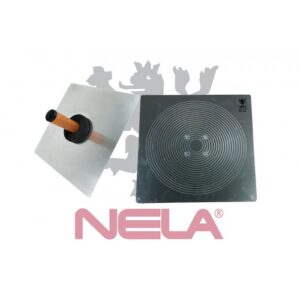
NELA Aluminium Hawk 13” – 16”
We proudly stock the NELA Aluminium Hawk, available in three sizes from 13 to 16 inches. Built from lightweight materials, it’s designed to withstand the toughest jobs without weighing you down.
One standout feature of the NELA range is the BikoGRIP cork handle, which will reduce the strain on your hands while offering superior control, even during extended use.
Benefits of Plastering Hand Boards
Plaster hand boards are essential tools to have, offering a range of advantages:
- Improved Control
Handboards provide a stable surface for holding plaster, allowing you to control the application with greater accuracy, especially in tight or hard-to-reach areas.
- Reduced Waste
With a plasterers hawk, you can keep your material in a manageable amount, reducing spills and ensuring a more efficient use of materials.
- Faster Application
The ergonomic design of these plastering tools lets you load up more plaster at once, speeding up the process and reducing time spent reloading.
Plastering Hawk Application Tips
Mastering the use of a plasterers hawk can make your workflow precise and your results professional. Here are some tips from our experts for your next project:
- Position Matters
Always hold the hawk slightly tilted towards you, with the edge closest to your body, slightly lower. This keeps the plaster securely in place and makes it easier to load your trowel without spills.
- Keep it Lightweight
Avoid overloading your hawk and trowel plastering tool. A smaller, manageable amount of plaster is not only easier on your arms but also allows for greater control when transferring material to your trowel.
- Rotate the Hawk
Rotate your hawk slightly between loads to keep the plaster evenly spread and prevent it from drying out on one side. This ensures consistent application and minimises waste.
- Use the Edge Wisely
The edge of your hawk isn’t just for show. Use it to scrape off excess plaster from your trowel or smooth out any uneven patches on the hawk itself.
P1 Plastering Superstore
At P1 Plastering Superstore, it’s our job to make your life easier. Whether you’re a plastering pro or just starting out, we’ve got everything you need to get the job done, all under one roof. Shop our extensive range today.
Frequently Asked Questions
Find answers to all your plastering hawks and hand board queries. Got a question we’ve not covered? Give our team a call today.
-
What is a plastering hawk used for?
A plastering hawk is a flat tool used to hold plaster or mortar while applying it to walls or ceilings. It’s handy to keep the material close to hand.
-
What size hawk do I need?
Hawks typically come in sizes ranging from 13 inches to 16. We recommend 13 inches for beginners or small areas, while professionals may prefer a larger size for bigger jobs.
-
Can plastering hawks rust?
Don’t worry! Aluminium and plastic hawks won’t rust! Just make sure you properly clean and dry your tools.