




What is Thin Coat Render?
A thin coat render is a type of render that is typically applied as one of the finishing coats in a system to provide a decorative finish. Unlike some traditional render systems, they are applied in a relatively thin layer and are available in different types, including silicone and acrylic options. The properties and performance of each product can vary, so it’s important to choose a product that’s suitable for your substrate and project requirements.
Thin coat render systems can be used across a range of external rendering projects, including domestic and commercial properties, refurbishments and renovations and some timber frame projects. Depending on the product, they can offer applications a range of benefits:
- Wide Range of Colours: Some thin coat renders are available in a wide variety of colours, making it easier to achieve your desired finish.
- Thin Application: Provides a decorative finish without the thickness associated with some traditional render systems.
- Flexibility: Some silicone and acrylic render products offer better flexibility than more traditional materials, which may help reduce the risk of cracking.
- Water Repellency: Some thin coat renders offer water-repellent properties, providing additional protection to external walls.
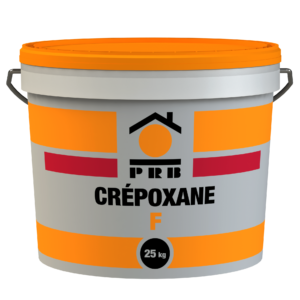
At P1 Plastering Superstore, we stock a wide range of render materials, including thin coat renders from trusted brands such as PRB Systems and Mapei.
What are the Different Types of Thin Coat Render?
There are different thin coat render types, with the most suitable option depending on the unique requirements of your project. Here is a brief overview of the options available.
Silicone Render
Silicone thin coat renders contain silicone resins and can offer a combination of flexibility and water-repellent properties. Depending on the product, they can be suitable for external applications where a durable and decorative finish is required. Some thin coat silicone renders can be useful for projects where exposure to the elements is an important consideration, including areas exposed to forestry (algae) or coastal areas (salt). The suitability of each product will vary, so always check the manufacturer’s guidance.
Acrylic Render
Acrylic thin coat renders contain acrylic resins and are available in a range of colours. Depending on the product, they can offer good flexibility that makes them suitable for a variety of external rendering applications.
Thin Coat Render Colours
Thin coat renders are available in a wide range of colours, with some products offering 150 options to choose from! This makes it easy for plasterers to find a suitable option for their project requirements.
It’s important not to forget colour bleed – when using a thin coat top coat, you need to ensure that the colour of the primer is the same shade as the top coat being used, as any missed top coat areas will back onto the primer instead of a grey backing/basecoat, for example.
Thin Coat Render vs Monocouche Render: What’s Best?
What’s best for your project: thin coat render or monocouche render? Both can provide a decorative finish for external walls, but they are different types of render that may be suited to different projects.
The right option will depend on factors such as the substrate, required finish and application. Here’s an overview of some of the key differences to help you find the right option for your project.
| Thin Coat Render | Monocouche Render | |
| Overview | A thin layered render system with a grain/stipple like finish with high weathering performance. | A mineral through-coloured render, generally applied in a thicker coat. |
| Key Features | Flexible, higher performing, extensive colour range. | Cost effective, quick drying times and a flatter more formal finish. |
Buy Thin Coat Render From P1 Plastering Superstore
Looking to buy thin coat render? At P1 Plastering Superstore, we stock a wide range of thin coat render systems and supporting products from popular manufacturers, including PRB Systems and Mapei.
When you order from us, you can benefit from:
- A wide range of thin coat renders
- Expert support from our team
- Next working day delivery on eligible orders placed before 3pm
- Click & collect options from our plastering store
Not sure what thin coat render system is right for your project? Contact our team for advice or browse our plaster and render supplies and plastering tools to help complete the job.
Frequently Asked Questions
Find answers to all your thin coat render queries. Got a question we’ve not covered? Give our team a call today.
-
What base coat do I need for my thin coat render?
A thin coat render must be applied over a compatible base coat. There is no single answer, as it will depend on the render system and substrate you have. It’s important to check compatibility before application.
-
Can thin coat renders be applied by hand or machine?
A thin coat render can be applied by hand or machine - but it will depend on the product, site conditions and workflow. Ultimately, you will need to follow the manufacturer’s guidance and the application method to get that fresh finish.
-
Is thin coat render likely to crack?
Thin coat renders made from silicone or acrylic can offer more flexibility than some traditional render materials. This may help reduce the risk of cracking. Importantly, no render system is completely crack-proof.
-
Can you paint silicone render?
Yes, silicone render can be painted provided you use the correct materials and methods.
-
How long does silicone render take to dry?
The drying time for silicone render will depend on the specific product, application conditions and weather. Some products may be dry within around 48 hours, however, you should always follow the manufacturer’s guidance.