




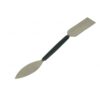


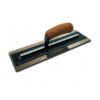
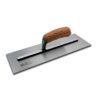

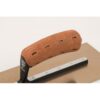


What is a Plastering Trowel?
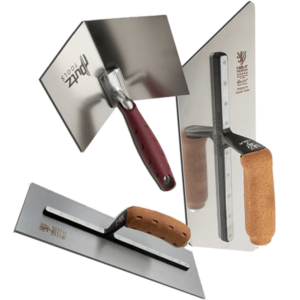
A plastering trowel is a hand tool used to apply, spread or smooth materials onto certain surfaces. Available in a range of types, blade sizes, flex levels and materials, the right plaster trowel can help improve the control and quality of a finished surface. Some of the benefits may include:
- Helping to achieve a quality finish
- Supporting control when applying and finishing materials
- Improved comfort with ergonomic handle options available
- Available in a variety of options for specific plastering tasks
At P1 Plastering Superstore, you’ll find a variety of plastering tools to support different stages of the job. Our range includes plaster trowels from top brands such as NELA, Putz and more. We support professional plasterers with quality materials, with next working day delivery available on select tools when you order before 3pm.
What are the Different Types of Plastering Trowels Available?
Different plastering trowels are designed for specific applications, from finishing to pointing. The table below explains the most common types:
| Types of Plastering Trowel | Overview |
| Pointing Trowels | Brick-pointing tools are often used in bricklaying to cut brick and spread mortar or cement. |
| Bucket Trowels | Typically used to scoop material from a variety of plastering buckets. |
| Finishing Trowels | Used to flatten or smooth materials for a neat finish. |
| Flexi Trowels | A flexible solution to smooth/flatten materials for a quality finish. |
| Joint Trowels | A smaller tool used for finishing joints. |
| Margin Trowels | Typically, margin trowels have a rectangular design to reach difficult angles/areas. |
| Notched Trowels | Used to evenly spread materials like adhesives across a surface. |
| Pipe Trowels | A handy tool used to support the application of materials in hard-to-reach areas, for example behind pipework, hence the name pipe trowel. |
| Corner Trowels | An angled blade used to help create the perfect finish on corners. |
| Plastic Trowels | A lightweight trowel used for applying plastering materials. |
| Pool Trowels | A trowel used to smooth surfaces, often featuring a rounded edge. |
| Step Trowels | Often used to create curved step edges in cement and concrete. |
| Venetian Trowels | Used to apply decorative venetian/microcement materials for a polished finish. |
| Stainless Steel Trowels | A durable hand tool used to apply rendering materials and laying on/finishing plasters. |
We also stock trowel handles, wallets or blade protectors to help extend the life of your tools. If you need help deciding on the best tool for the job, get in touch with our team.
How to Choose the Right Plaster Trowel
Choosing the right plastering trowel depends on the type of work you’re carrying out, your preferred finishing technique and the feel of the trowel in hand. When comparing plastering trowels, consider the following:
- Blade material
- Blade flexibility
- Blade size
- Handle style
- Brand preference
If you’re unsure, our team are happy to help you choose a plasterer’s trowel for your project.
Frequently Asked Questions
Find answers to common plastering trowel queries. Got a question we’ve not covered? Give our team a call today.
-
How do you break in a plastering trowel?
Ultimately, with regular use, a new plastering trowel will naturally begin to break in to suit your technique.
-
What plastering trowel should I buy?
The best plastering trowel depends on the type of work you’re carrying out and the finish you want to achieve. If you’re unsure, our team can offer advice based on your unique requirements - get in touch!
-
How do you clean a plastering trowel?
To clean your plastering trowel, remove any remaining plaster or materials from the blade after use. Leaving residue to dry can make it harder to remove later on. Wipe the blade clean and store it safely to help maintain its condition.
-
Why does my trowel leave lines in the plaster?
Lines left in plaster can be caused by several factors, such as incorrect trowel pressure, uneven application of plaster or even using the wrong tool for the job. As every project and plasterer is unique, get in touch with our team for more bespoke advice.
-
What’s the best plastering trowel for beginners?
If you’re new to the trade, we recommend opting not so much for the flexi range, however more so the stainless steel laying on range. These include the NELA Black Edition Elite Premium and the NELA Premium. When you're ready to jump into the world of flexi range, try starting with a firmer flex trowel such as the NELA Medilfex or NELA Mediflex EVO.
-
What size plastering trowel do I need?
The right plastering trowel size depends on the type of work you’re carrying out. Generally, smaller trowels can provide better precision, while larger blades may be preferred for covering bigger areas.