





What are Render Beads?
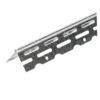
Render beads are specialist profiles used to reinforce, define and finish rendered surfaces. They’re the framework that keeps your render in check, achieving clean lines on corners, reveals, windows and door frames, and at the edges of facades.
At P1 Plastering Superstore, we’ve curated a range of beads available for purchase today. PVCu render beads, in particular, have become the standard on UK sites for a reason. Every product we stock has been selected for durability and ease of use on real-world sites. That said, we understand that choosing the right bead isn’t just a case of picking a profile off a shelf. Different applications, wall types and render systems can all have their quirks, and selecting the correct product makes a significant difference to the final finish. That’s why our team of plastering experts is always on hand to advise on bead selection, positioning and handling. Get in touch today for more information.
Where are Rendering Beads Required?
Plastic render beads play a structural and functional role in both internal and external plastering projects. They’re designed to work with a variety of materials, including sand and cement render, through-colour render, monocouche render, thin coat renders and internal plaster finishes.
Here are the key applications where you’ll often find they’re required:
- Corner and Reveals
Render beads provide a crisp, straight edge for both internal and external corners. By embedding the profile into the render, plasterers can maintain perfectly sharp lines while protecting the corner from knocks and wear over time.
- Windows and Door Frames
Stop beads and corner beads around openings create clean termination points for render. They give a professional finish and protect vulnerable edges from chipping and abrasion during installation and everyday use.
- Movement Joints
Render naturally expands and contracts with temperature and moisture changes. Movement joint beads allow the render to flex without cracking, providing a controlled line where stresses can be absorbed. They’re important for long, uninterrupted wall runs or facades where thermal or structural movement is anticipated.
- Changes in Plane
Whether it’s a step in a wall, a projecting feature or an architectural detail, render beads help maintain clean, straight transitions between different surfaces. This is particularly valuable on large facades or feature walls.
- Protection Against Impact
External render beads, such as bellcast beads, guide the render and offer a subtle layer of protection against rain, impact and other environmental factors. They provide a combination of durability and aesthetics, ensuring that edges remain intact and attractive for years to come.
Types of Render Beads
At P1 Plastering Superstore, our rendering beads are made from the highest quality PVC and are suitable for use with a range of renders. Here’s an overview of the products we stock online:
Bellcast Beads
Bellcast beads, sometimes called drip beads, are designed to guide render away from vulnerable edges and surfaces. By creating a subtle slope, they reduce water penetration and protect the facade, all while leaving a clean, sharp line above features like damp-proof courses or window sills. They’re perfect for ensuring both longevity and aesthetics on external walls.
Corner Beads
Corner beads reinforce both internal and external corners, providing a solid edge that protects against knocks and ensures straight, sharp lines. Embedded properly, they prevent cracking and chipping at the corners, making them a staple for achieving professional-grade finishes.
Movement Joint Beads
Movement joint beads accommodate expansion and contraction in the render, preventing unsightly cracks caused by temperature changes or structural shifts. They act as a controlled weak point where the material can flex naturally, particularly useful on large facades or walls with multiple planes.
Stop Beads
Stop beads define the termination points for your render, typically around windows, doors or where different render types meet. They ensure the edge of your finish is perfectly straight and clean, and help to protect the termination from impact, all while making the render process faster and more precise.
Mesh Beads
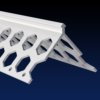
Mesh beads combine the structural benefits of a profile with integrated reinforcing mesh. They’re particularly useful for embedding into render on tricky corners, edges or reveals, improving adhesion and reducing the likelihood of cracks forming at stress points.
Why Choose Rendering Beads?
High quality rendering beads, like the ones we stock at P1 Plastering Superstore, give you control of your finish. Here’s why investing in the right product pays off:
- Clean, Sharp Lines
Render beads are a guide for your material, ensuring your finish is consistently crisp. They remove guesswork, so you don’t have to spend hours sanding, trimming or patching after the render has set. Plus, properly installed beads create visually striking edges that make a difference on both internal walls and high-visibility external façades.
- Crack Prevention
PVCu beads provide defined movement points that absorb expansion and contraction, minimising unsightly cracks and stress marks. This is particularly important for large wall areas, external façades exposed to sunlight and moisture, or junctions where different materials meet. Beads give the render something to “settle into,” reducing the risk of splits and compromising the integrity of the finish.
- Durable and Weather Resistant
Unlike metal beads that can rust or stain over time, PVCu beads are corrosion-resistant, UV-stable and impact-resistant. This means they maintain their appearance in both internal and external environments, ensuring your render finish stands the test of time. They’re a practical choice when longevity and aesthetics are both priorities.
- Time-Saving On Site
Properly embedded beads provide instant structure for your render, letting you work faster and more efficiently. With predefined edges and corners, there’s less measuring, marking or correcting. Fewer mistakes and touch-ups mean you can hit deadlines without sacrificing quality.
- Versatility Across Materials
PVCu render beads are compatible with a range of popular materials, including sand and cement, monocouche and through-colour renders. This flexibility makes them suitable for almost any modern rendering system.
- Lightweight But Strong
While easy to handle on site, high-quality PVCu beads remain rigid enough to hold their shape under pressure. This combination of strength and lightness reduces fatigue on long installations and makes precise positioning simpler, even on overhead or awkward corners.
How to Attach Render Beads
Attaching render beads might seem straightforward, but getting them properly fixed is key to achieving clean lines, straight edges and a crack-free finish. It’s therefore important that you follow the manufacturer’s specific guidelines, as installation will vary from product to product.
With that in mind, here’s a brief overview of the task at hand:
- Measure and Plan First
Before cutting or fixing, double-check the line you want your bead to follow. Use a spirit level or laser line for straight edges, especially on long runs or external walls. Accurate placement upfront saves time fixing wonky lines later.
- Cut With Care
PVCu beads can be scored and snapped for precise lengths. Avoid forcing or twisting them, as this can cause cracks or distortion. Smooth, clean cuts allow the bead to sit flush against the wall and render, giving sharper edges and reducing gaps. Also, remember to take care and use the correct safety tools and equipment.
- Position Correctly
Hold the bead in place along the marked line. Even slight misalignment can cause noticeable imperfections in the finished render.
- Fix Firmly (But Don't Overdo It)
Depending on the system, you may need a bead adhesive to keep the bead in place. Ensure it’s secure, but avoid distorting the bead by applying too much pressure. The goal is firm, straight placement that won’t shift under the weight of the render.
- Check Level and Alignment Mid-Installation
Especially on long stretches or multiple beads, periodically re-check the level and alignment. Even slight deviations can become obvious once the render is applied, so catch them early to save time on corrections.
- Final Inspection Before Rendering
Make sure the bead sits flush and the line is straight. Correct any minor gaps or misalignment before the render goes on – it’s much easier to fix at this stage than after the render sets.
Frequently Asked Questions
Find answers to all your render bead queries. Got a question we’ve not covered? Give our team a call today.
-
Can PVCu beads be used for external and internal rendering?
Yes. PVCu render beads are versatile enough to handle both internal and external rendering projects. Made from weather-resistant materials, they can withstand a level of moisture, UV exposure and thermal expansion outdoors, whilst indoors they provide clean, sharp lines without the risk of corrosion or warping.
-
How do I cut and fit PVCU render beads without damaging them?
The trick is cutting with care. It will vary from product to product, so ensure you check with your manufacturer’s guidelines. As a generic guide, lightly and carefully score your bead and snap along this line (rather than forcing a bend that could crack or cause unsightly edges).
-
Can render beads prevent cracking?
Yes! When properly installed, render beads help manage stress points and reduce the risk of cracking. Movement joint beads, in particular, allow the render to expand and contract naturally with temperature and moisture changes.