




What is Reinforcing Mesh?
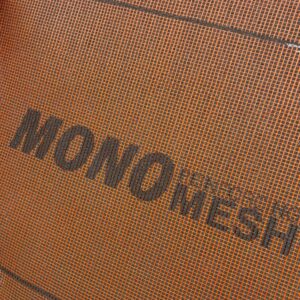
Reinforcing mesh, also known as mesh for plastering, is a flexible material made from fibreglass or metal. It’s embedded into certain render and plaster supplies to strengthen the system and help reduce the risk of cracking across the surface. It’s popularly used across joints, repairs or areas prone to movement.
At P1 Plastering Superstore, we supply a comprehensive range of plastering tools and supplies for tradespeople, builders and plasterers, ensuring you have a solution for every job. Our team of experts are always on hand to answer any questions you may have, and you can browse our products from our plastering store in Cheltenham, as well as nationwide. Get in touch to talk to our team.
Where is Plaster Mesh Used?
Plastering mesh is commonly used in projects where the render or plaster needs additional strength or crack prevention. It’s installed in areas that experience movement, stress or high wear to help surfaces stay smooth and durable over time.
Common applications include:
- Wall Joints and Seams
Mesh for plaster reinforces weak points where your material may be prone to cracking, helping you achieve a long-lasting finish.
- Ceilings and High Movement Areas
Corners and ceilings are areas that tend to be subject to vibration or settlement. By applying mesh, you can help to provide additional strength by distributing stress across the surface, helping to reduce sagging or cracking over time.
- Window and Door Surrounds
Applying mesh around frames where plaster meets timber or metal can also help to prevent the risk of cracking caused by structural movement.
- Repairs or Patch Work
Over damaged plaster, mesh can reinforce the repair area. This helps it blend in with the surrounding surfaces and reduces the risk of those cracks from reappearing.
- External Wall Rendering
Plaster mesh is often embedded into render coats for facades or insulated walls to strengthen the render, improve adhesion and reduce the risk of the surface cracking due to weather changes.
Why Use Plasterers Mesh?
Primarily, reinforced mesh is used to strengthen render and plaster – it provides reinforcement to help the material resist any stress, movement and minor impact. Here’s an overview of the benefits you could experience:
- Crack Prevention – Wall mesh for plastering spreads stress across the plaster layer, preventing cracks from forming at weak points like joints or repaired areas.
- Improved Strength – Reinforces plaster or render, making walls and ceilings more durable and long-lasting.
- Better Adhesion – Provides a mechanical key for plaster to grip onto, reducing the risk of delamination or flaking over time.
- Support for External Applications – In outdoor render systems, metal mesh adds structural stability and helps the finish withstand weather changes.
Can't Find What You're Looking For?
Can't find what you're looking for? Shop all our rendering supplies or get in touch for further assistance.
What’s the Difference Between Plaster Mesh and Scrim Tape?
In short, plaster mesh is a large, open-weave reinforcement used to prevent cracks across wide surfaces, whereas scrim tape is a narrow, self-adhesive tape designed to strengthen joints and corners. It’s similar, sure! But it’s important to know the differences:
- Plaster mesh comes in rolls or sheets and is typically embedded in render base coats. A plaster mesh roll can help to reinforce walls, ceilings or external render by helping to prevent weak areas in your build. It’s ideal for full-surface applications, particularly newly built or rendered walls that are prone to structural movement.
- Scrim tape is much narrower and designed for finishing work. It’s commonly used to cover joints between plasterboard sheets, patch repairs and internal corners. By embedding scrim tape into finishing plaster, it’s another solution to help prevent cracking.
Why Buy from P1 Plastering Superstore?
At P1 Plastering Superstore, we’re trusted by trade professionals for supply industry-leading plastering materials and tools. We back our product range with in-house expert support, helping you choose the right solution for your project. Plus, our comprehensive range means you can source everything you need in one place!
With next working day delivery when you order before 3pm, keep your projects moving without delays.
Frequently Asked Questions
Find answers to all your reinforced mesh queries. Got a question we’ve not covered? Give our team a call today.
-
How deep should reinforcing mesh be installed?
Generally, plasterers embed within the base coat of plaster or render and not directly on the surface. Placing it around the middle to upper third of the base layer allows it to absorb movement and prevents cracks from reaching the surface. It’s important to note that the application varies depending on the product - always check the manufacturer’s guidelines.
-
Does plaster mesh stop the material from cracking?
Yes! Plastering mesh can help to reduce the risk of cracking, but it’s important to note that it doesn’t guarantee a completely crack-free finish.
-
How do you cut reinforcing mesh?
Most plastering mesh can be easily cut to size. Ensure you’re being careful and using the correct safety equipment:
- Fibreglass mesh: cut with standard scissors or a utility knife.
- Metal mesh: cut with tin snips or appropriate cutters
-
Can mesh be directly plastered over?
Not quite! The mesh needs to be embedded into a wet base coat first. Placing the mesh onto a dry surface and plastering over it without this will not provide the proper reinforcement.
-
How long does plastering mesh last?
When installed correctly and fully covered, plastering mesh can last as long as the plaster or render itself!