




What is a Venetian Plastering Trowel?
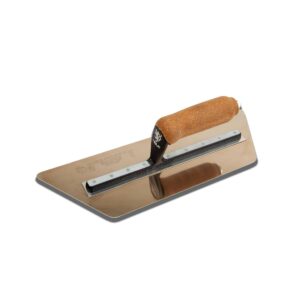
A venetian trowel (or trowel for venetian plaster) is a finishing trowel designed specifically for applying and polishing decorative plasters. It features a thin, flexible stainless-steel blade with rounded corners that allow for smooth movement across the surface without leaving lines or scratches. This flexibility makes it ideal for applying very thin coats and building layered finishes such as venetian plaster and other polished lime or marble-effect coatings.
These venetian plastering trowels are used to compress and burnish plaster as it cures, helping create a high-sheen finish associated with luxury decorative plasterwork.
Our range includes trusted options from leading brands such as NELA. By stocking a variety of blade shapes and sizes, we help both experienced plasterers and those new to decorative finishes to find the right venetian plaster trowel for the job.
Where is Venetian Plastering Required?
Venetian plastering is used when a decorative or high-end finish is required, rather than a standard flat plaster surface. It’s commonly chosen for feature areas where texture in the finish will enhance the overall design.
You’ll typically see venetian plaster used in:
- Feature walls in living spaces, bedrooms and hallways
- Bathrooms and kitchens where polished lime provides a modern finish
- Commercial interiors such as hotels, restaurants and offices, aiming for a premium feel
- Retail spaces and showrooms where a distinctive finish helps create a visual impact
How to Choose the Right Venetian Trowel
Choosing the right venetian trowel depends on the finish you want to achieve, your experience level and the type of plaster being used. Here are some things to consider:
- Blade Flexibility – Flexible blades are better for polishing and fine finishing, while slightly stiffer blades offer more control on larger surfaces.
- Blade Size – Smaller trowels are ideal for detail work, while larger blades help cover broader areas more efficiently.
- Edge Type – Rounded edges help reduce marks and scratches during polishing.
- Handle Comfort – Ergonomic handles improve control during longer finishing sessions.
- Brand Preference – Professional brands like NELA are widely used for consistent performance and durability.
If you need any further support in determining the right tool for the job, get in touch with our team of experts for advice.
Why Add a Venetian Trowel to Your Toolbox?
A venetian plaster trowel is a specialist finishing tool that gives you the control needed to achieve high-end surface finishes that standard plastering tools can’t deliver.
- Achieve Polished Finishes
A venetian trowel allows you to compress and burnish plaster to create a smooth, reflective surface.
- Greater Surface Control
The flexible blade responds to light pressure, helping you spread and refine thin layers of plaster with accuracy.
- Reduce Imperfections
Rounded edges and a polished finish help minimise drag lines, scratches and trowel marks during application.
- Better Handling
Quality venetian trowels are built for comfort and balance, making longer finishing sessions more controlled and less tiring.
What’s the Difference Between a Venetian Trowel and Standard Plastering Trowel?
The main difference between venetian trowels and standard plastering trowels is their design and intended use, with each tool built for very different stages of plastering work.
- A venetian trowel is a specialist finishing tool designed for decorative and polished plaster systems. It has a thinner, more flexible stainless-steel blade with rounded edges, allowing it to glide smoothly over the surface and compress plaster without leaving marks.
- A standard plastering trowel, on the other hand, is designed for general plaster application. It typically has a thicker, more rigid blade that’s better suited for spreading and levelling base coats of plaster over larger wall and ceiling areas. While it can be used for finishing, it doesn’t offer the same level of polish required for decorative work.
The comparison below shows you the differences and similarities.
| Feature | Venetian Trowel | Standard Plastering Trowel |
| Primary Use | Decorative and polished plaster finishing | Applying and levelling plaster |
| Blade Type | Thin, flexible stainless steel | Thicker, more rigid blade |
| Edge Design | Rounded edges to prevent marks | Sharper edges for spreading material |
| Finish Result | Smooth, polished, high-end decorative surface | Flat, functional base plaster finish |
| Best For | Venetian plaster and decorative finishes | Base coats and general plastering work |
| Skill Level | Intermediate to advanced finishing work | Suitable for general trade use |
Frequently Asked Questions
Find answers to all your venetian trowel queries. Got a question we’ve not covered? Give our team a call today.
-
Are venetian trowels suitable for beginners?
Yes, but technique matters! Venetian plaster trowels are designed to create thin layers and polished surfaces, so they do require a lighter touch than standard plastering tools. Many beginners successfully use them once they practice applying gentle pressure and keeping the blade clean.
-
Do venetian trowels leave burn marks?
When used correctly, burn marks are avoidable. Burn marks usually happen when too much pressure is applied or when dried plaster builds up on the blade edge. High quality trowels and polished stainless steel blades can help prevent drag lines and dark marks. Keeping the blade clean and using light pressure during the final polish stage also helps avoid this.
-
Can you use a venetian trowel for standard plastering?
You can, but it’s not their primary purpose. Venetian trowels are thinner and more flexible than standard plastering trowels, making them ideal for finishing coats and decorative work rather than heavy base coats or large-area plastering. Many professionals keep both types in their toolkit for different stages of the job.
-
How do you properly clean a venetian trowel?
Cleaning after every use is essential to protect the blade and finish quality:
- Rinse immediately with clean water after use.
- Remove any plaster residue with a soft sponge or cloth.
- Dry the blade fully to prevent staining or corrosion.
- Store in a dry place, ideally with a blade protector.