
What is a Power Float?
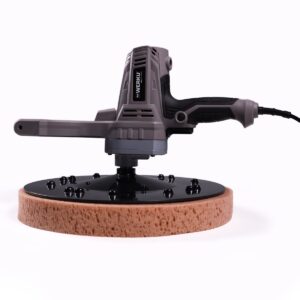
A power float is a machine used for floating, sponging and scratching plastered or rendered surfaces. Using a rotating disc, a render power float helps to work the surface with less manual effort than a traditional hand float, making it a useful addition to your plastering and rendering supplies.
At P1 Plastering Superstore, we stock a range of power tools for the trade, including power floats, power float discs and replacement parts, such as sponges and scraper discs. Whether you’re adding a render power float to your toolkit or looking for a replacement disc for your existing machine, we’ve got you covered.
What Can You Use a Power Float For?
A power float machine can be used for a range of applications when working with plastered or rendered surfaces. Depending on the attachment being used, it can help with floating, sponging and scratching:
- Floating: Work plaster or render to help level the surface and achieve a more even finish, particularly across larger areas.
- Sponging: Work over the surface with a sponge attachment to help achieve the desired texture or finish on plaster or render.
- Scratching: Scratch the surface to create a key for the next coating, giving the following layer something to grip onto.
Power Float vs Hand Float: What’s the Difference?
A power float and a hand float aren’t quite the same thing, and one doesn’t necessarily replace the other. A power float uses a rotating attachment to work plastered or rendered surfaces, while a hand float is operated manually and gives you more direct control over the surface.
For larger areas or repetitive work, a power float can take some of the manual effort out of the job. With that being said, hand floats are still useful for finer finishes, edges, corners and areas where more control and precision is needed. For many plastering projects and rendering jobs, using a power float alongside your usual plastering tools gives you the best of both worlds!
Frequently Asked Questions
Find answers to common power float queries. Got a question we’ve not covered? Give our team a call today.
-
What power float is best for rendering?
The best render power float will depend on the size and scope of the project, as well as the type of finish you’re looking to achieve. As it’s unique to each project, you’re welcome to get in touch with our team to discuss your bespoke requirements.
-
How do I know when a power float disc needs replacing?
A power float disc may need replacing when it shows signs of significant wear, damage or deterioration that could affect its performance or the finish you’re trying to achieve.