




What is a Plastic Trowel?
A plastic trowel is a hand tool that’s used for a variety of plastering and finishing applications. Depending on the product, they can be used for smoothing or working with different materials to achieve a required finish. Some of the benefits they offer include:
- Plastic is typically lightweight, making for more comfortable handling
- Available in different designs to suit various applications
- A range of sizes available to suit different tasks
At P1 Plastering Superstore, we stock a wide range of quality plastering trowels in different materials, including our plastic range. We offer a range of benefits, such as our Click & Collect service from our Cheltenham store and free delivery when you spend over £100 on tools.
What are the Different Types of Plastic Trowels Available?
Plastic plastering trowels are available in different designs to suit various applications. The right option will vary from project to project, however, here is an overview of some popular options:
- Plastic Finishing Trowel – A lightweight trowel used to smooth and refine suitable plastering materials during finishing applications. Shop finishing trowels.
- Plastic Float Trowel – A lightweight tool used to work and smooth certain plaster and render materials. Shop plastering floats.
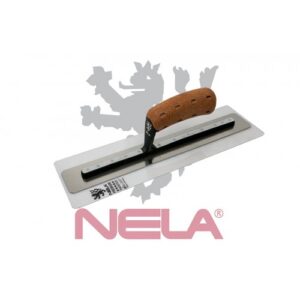
- NELA Plastic Trowel – Professional plastic trowels from NELA, available in a range of sizes and designs. Shop NELA plastering tools.
Can’t find what you’re looking for? Browse our wide range of plastering tools or get in touch with our team for help finding the right product for the job.
What’s the Difference Between Plastic and Stainless Steel Trowels?
Plastic trowels and stainless steel trowels are designed for different applications, with the best choice depending on the material being used, the finish required and personal preference. Below is a brief comparison:
| Plastic Trowel | Stainless Steel Trowel | |
| Material | Plastic | Stainless Steel |
| Weight | Generally lightweight | Generally heavier |
| Best Suited For | Plasterers looking for a lightweight tool for certain tasks | Plasterers wanting a durable plastering tool |
If you need support to determine the best trowel for the job, get in touch with our team today.
Frequently Asked Questions
Find answers to common plastic trowel queries. Got a question we’ve not covered? Give our team a call today.
-
What is the best plastic plastering trowel?
The best plastic plastering trowel depends on the type of plastering you’re carrying out, the material being used and your preferred technique. Factors such as blade size, flexibility and handle design can all influence performance. Choosing a plastic plastering trowel from a trusted manufacturer, such as NELA, can help ensure reliable results.
-
What are the main benefits of using a plastic trowel for plastering?
One of the main benefits of a plastic plastering trowel is its lightweight and flexible blade, which can improve comfort and control during plastering. Depending on the application, plastic trowels can also help achieve a smooth finish while reducing user fatigue during extended use.
-
Are plastic trowels better than metal trowels?
Neither plastic trowels nor metal trowels are better - the right choice depends on the application, material and preferred technique.