




What is a Flexi Trowel?
A flexi trowel is a type of plastering trowel, often used as a finishing trowel to refine and smooth out finishes. They’re available in a range of sizes and models to suit different flex requirements and preferences. Some of the benefits may include:
- Helps to create a smoother finish
- Better precision and control
- Available in a range of sizes and models
At P1 Plastering Superstore, we offer a full range of plastering tools to suit different projects. Better yet, we offer free delivery when you spend over £100 on select tools, as well as next working day delivery if you order before 3pm.
What Types of Flexi Trowels are Available?
A plasterer’s flexi trowel is available in a range of designs to suit different preferences and applications. Some of the popular options available include:
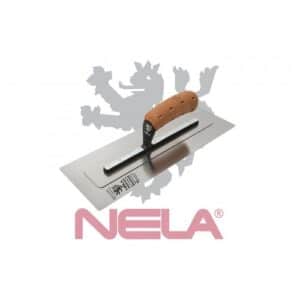
- NELA Flexi Trowels – Professional flexi trowels from the trusted brand, NELA.
- Flexi Finishing Towels – Used during the finishing stages of a project to refine the perfect finish.
- Flexi Trowel Sizes – Different sizes are available for a variety of projects, from smaller, detailed areas to larger plastering projects.
If you’re unsure which flexi trowel is right for your requirements, get in touch with our team.
What’s the Difference Between a Flexi Trowel and a Traditional Trowel?
The main difference between a flexi trowel and a traditional plastering trowel is the blade’s flexibility. Flexi trowels feature a thinner, more flexible blade that can help achieve a smoother finish, while traditional plastering trowels typically have a more rigid blade that offers greater control, depending on the tool and stage of the plastering process.
Frequently Asked Questions
Find answers to common flexi plastering trowel queries. Got a question we’ve not covered? Give our team a call today.
-
What’s the best flexi trowel for plastering?
This will depend on your specific needs, but generally, NELA flexi trowels are highly regarded in the industry.
-
What flexi trowel size do I need?
The right flexi trowel size depends on the area you are working on, your preferred technique and the level of control you need. Larger blades can help cover more surface area, while smaller sizes may be better suited to detailed work and areas where more control is required.